
B.Tech Biotechnology Admission 2026
Career Guidance from LearnSmart HP
But many students and families walk into it without a clear picture of what the degree delivers, which colleges in HP offer it seriously, and whether it’s the right fit for this student’s goals.
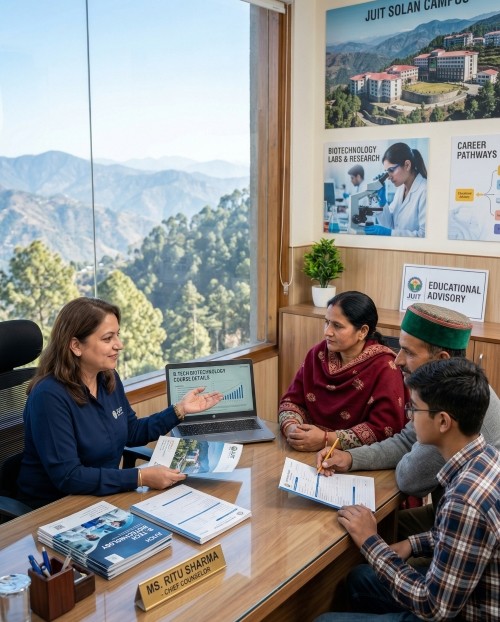
That’s what the free counselling session is for.



What Is B.Tech Biotechnology — And Is It Right for Your Child?
B.Tech Biotechnology is a 4-year undergraduate engineering degree that applies biological and engineering principles to develop products and processes in medicine, agriculture, food science, and environmental management.
Unlike BSc Biology or BSc Biochemistry (purely science degrees), B.Tech Biotechnology is an engineering degree — recognized by AICTE, eligible for GATE, and applicable to both industry and postgraduate research.
The curriculum typically covers:
→ Biochemistry and microbiology
→ Genetic engineering and molecular biology
→ Bioinformatics and computational biology
→ Bioprocess engineering and fermentation technology
→ Cell biology and immunology
→ Pharmaceutical technology and drug design
→ Environmental biotechnology and waste management
→ Food technology and quality control
Who is B.Tech Biotechnology right for?
→ Students with PCB (Biology stream) who want an engineering degree
→ Students who want to work in pharma, healthcare R&D, or biotech industry
→ Students interested in research careers — B.Tech Biotech is a strong foundation for M.Tech, PhD, or MBA Pharma
→ Students who find MBBS economics difficult but still want a biology-based professional career
→ Students interested in emerging fields: bioinformatics, genomics, personalized medicine, agricultural biotech
Who should consider other options:
→ Students who primarily want to code or build software — B.Tech CS/IT is better
→ Students who want government engineering PSU jobs (BHEL, ONGC) B.Tech Mechanical/Civil/Electrical is required for most PSU technical roles
→ Students who are strong in PCM only (no biology background) B.Tech CS, ECE, or Mechanical is a more natural fit
What B.Tech Biotechnology Graduates Do — Real Career Paths
Biotechnology is broader than most families realize. Here are the actual career directions — not just the brochure version.
Pharmaceutical & Clinical Research
Roles: Clinical Research Associate (CRA), Quality Control Analyst, Regulatory Affairs Executive, Drug Safety Associate, Pharmacovigilance Analyst
Employers: Sun Pharma, Cipla, Dr. Reddy’s, Abbott, MNCs, CROs (Contract Research Orgs)
Salary Range: ₹3.5–8 LPA (entry) | ₹10–20 LPA (mid-level, 5 years)
Path to Entry: B.Tech Biotech → direct industry → or M.Sc/M.Tech for R&D roles
Healthcare & Diagnostics
Roles: Lab Technician, Medical Lab Scientist, Diagnostic Specialist, Hospital Lab Manager, Research Scientist (hospital labs)
Employers: Hospitals, diagnostic chains (SRL, Thyrocare, Metropolis), NABL-accredited labs
Salary Range: ₹2.5–5 LPA (entry) | ₹6–12 LPA (senior roles) Path to Entry: B.Tech Biotech + relevant certifications; DMLT or clinical lab experience helps significantly
Agricultural Biotechnology
Roles: Agronomist, Seed Technologist, Crop Scientist, Soil Scientist, Agricultural Biotech Researcher
Employers: Seed companies (Mahyco, Syngenta), fertilizer companies, ICAR-affiliated institutes, state agriculture departments
Salary Range: ₹3–7 LPA (industry) | Research stipends for PhD
HP-Specific: HP Agricultural University (PAU) and state departments recruit B.Tech Biotech graduates for state programmes
Bioinformatics & Computational Biology
Roles: Bioinformatics Analyst, Genomics Data Scientist, Computational Drug Discovery Researcher, NGS Data Analyst
Employers: Genomics companies, AI-driven drug discovery startups, research institutions, biotech MNCs Salary Range: ₹4–10 LPA (entry with programming skills) | ₹15–30 LPA (expert)
Path to Entry: Requires Python/R programming skills alongside biotech background. This is a high-growth field — few candidates have both bio and coding.
LearnSmart Pick: High-potential niche. Students interested in this track should start learning Python during their degree, not after.
Food Technology & Quality
Roles: Food Technologist, Quality Control Manager, Food Safety Auditor, Product Development Scientist
Employers: Food companies (Nestlé, ITC, Amul, Haldirams), FSSAI, export firms
Salary Range: ₹3–7 LPA (entry) | ₹10–18 LPA (management level)
HP-Specific: HP’s agricultural produce creates local opportunities in food processing — an emerging sector in the state
Research & Higher Education
Path: B.Tech Biotech → M.Tech/M.Sc → PhD → Research Scientist / Professor
Institutions: IITs, IISc, CSIR labs, ICAR, ICMR, JNU, BHU
Stipend: PhD scholars at CSIR/DBT get ₹31,000 ₹35,000/month + HRA
Salary (Post-PhD): ₹12–30 LPA in industry R&D; ₹8–15 LPA in academia
Competitive Exams: GATE (Biotechnology/Biochemistry), CSIR-NET, DBT JRF
LearnSmart Pick: For students with genuine research interest — this is a long path (10+ years to senior researcher) but a real on GATE preparation begins in 2nd year of B.Tech.
Entrepreneurship & Startups
B.Tech Biotech graduates with business skills are well-positioned
to found or join early-stage companies in:
→ AgriTech and precision farming
→ Diagnostics and medtech
→ Nutraceuticals and functional food
→ Environmental monitoring and bioremediation
Incubators: IIT incubators, BIRAC-funded programs, state startup policies
B.Tech Biotechnology Colleges We Work With — Honest Assessment
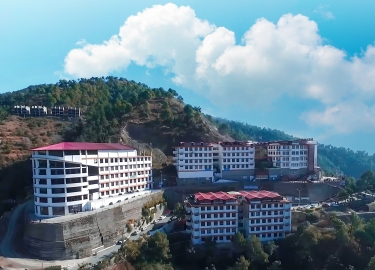
JUIT Solan (Jaypee University of Information Technology)
Type: Private Deemed University | NAAC A | UGC-approved
Location: Waknaghat, Solan, HP (50 km from Shimla)
Program: B.Tech Biotechnology — 4 years (8 semesters)
Annual Fees: ₹1,40,000–₹1,65,000/year
Total Program Cost: ₹5.6L–₹6.6L (4 years)
→ 10+2 with PCB or PCM minimum 50% aggregate
→ Biology and Chemistry mandatory (PCB strongly preferred)
→ JEE Main score considered; JUIT own entrance also accepted
→ Direct merit-based admission available
Strengths:
→ Strong research infrastructure for a private college
→ Bioinformatics and computational biology track rare for HP colleges
→ NAAC A nationally recognized quality benchmark
→ Good pharma company recruitment; Biocon, Panacea Biotec have recruited
Placement Record:
Moderate — not as strong as CS/IT departments at same college.
Biotech placements depend heavily on individual student’s skills and certifications.
Average package: ₹3.5–5 LPA | Highest: ₹9 LPA
→ Best Biotechnology option in HP strong infrastructure & faculty
→ Bioinformatics track is a genuine differentiator worth exploring
→ Set realistic expectations: Biotech placements are harder than CS at the same college
→ Students who also learn Python/R programming
→ Apply by May–June 2026 for September intake
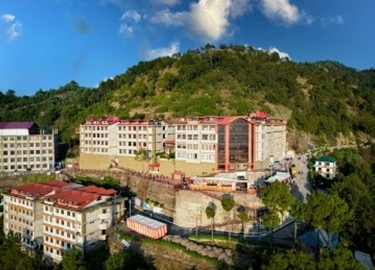
Bahra University, Solan
Type: Private University | AICTE-approved
Location: Waknaghat, Solan, HP
Program: B.Tech Biotechnology — 4 years
Annual Fees: ₹90,000–₹1,15,000/year
Total Program Cost: ₹3.6L–₹4.6L (4 years)
→ 10+2 with PCB or PCM — minimum 45% aggregate
→ Biology and Chemistry mandatory
→ No entrance exam — direct merit-based admission
→ More affordable fees than JUIT with similar curriculum coverage
→ Lower competition for seats — easier admission process
→ Good for students who want a Biotechnology degree without JEE pressure
Growing; focused on regional pharma and food industry placements; research-focused students tend to pursue M.Tech/PhD after graduation
→ Good budget option for Biotech in HP
→ Right for students planning to pursue M.Tech/GATE after graduation the research foundation matters more than campus placement in Biotech
→ Not the top choice if immediate corporate placement is the primary goal
B.Tech Biotechnology Fee Comparison
| College | Fees / Year | Total (4 Years) | Placement Quality |
|---|---|---|---|
| VIT Vellore (B.Tech Biotech) | ₹3.50–4.50L | ₹14–18L | High |
| Chandigarh University | ₹1.20–1.60L | ₹3.6–4.8L | High |
| Manipal University | ₹3.00–4.00L | ₹12–16L | High |
| Amity University, Noida | ₹2.00–2.50L | ₹8–10L | Good |
| Chandigarh University | ₹1.50–2.00L | ₹6–8L | Good |
| JUIT Solan (HP) | ₹1.40–1.65L | ₹5.6–6.6L | Moderate |
| Bahra University, Solan (HP) | ₹0.90–1.15L | ₹3.6–4.6L | Moderate |
| CSKHPKV Palampur (Govt, HP) | ₹0.30–0.60L | ₹1.2–2.4L | Gov't Agriculture |
B.Tech Biotechnology Who Can Apply
Academic Requirements:
→ Passed 10+2 with Biology, Chemistry, and Physics (PCB stream)
— Note: PCM students are also eligible at most colleges if they have Chemistry
→ Minimum 50% aggregate at 10+2 (45% for reserved categories)
→ Biology and Chemistry are mandatory subjects check with each college
Entrance Exams:
→ JEE Main: Accepted at most AICTE-approved private colleges
→ JUIT Entrance: For JUIT Solan
→ HP CET / State Engineering Entrance: For HP-affiliated colleges
→ Direct Merit: Many private colleges admit on 10+2 merit
Important Note for PCB Students:
Most B.Tech programs require Physics, Chemistry, and Mathematics at 10+2. B.Tech Biotechnology is an exception at many colleges PCB students are specifically welcome. However, Math may still be required at some institutions. We verify this for your stream before you apply.
HP Reservation:
State quota seats available at government-affiliated institutions in HP.
HP domicile certificate and relevant category certificates required.
B.Tech Biotechnology vs MBBS Abroad An Honest Comparison for PCB Students
Many PCB students consider both MBBS and Biotechnology. Here is a straight comparison to help families decide:
| Feature | B.Tech Biotechnology | MBBS Abroad (NMC-Approved) |
|---|---|---|
| Duration | 4 Years | 6 Years (Including Internship) |
| NEET Requirement | Not Required | Required (Any Score Helps) |
| Total Fees | ₹4–7 Lakhs (Complete Degree) | ₹25–35 Lakhs (6 Years) |
| Career Outcome | Pharma, Research, Agriculture, Food Industry, Bioinformatics | Doctor (MBBS Degree) |
| Government Jobs | Limited Opportunities | Eligible for Government Medical Jobs |
| Starting Salary | ₹3–6 LPA (Industry) ₹15K–35K/month (Research) |
₹6–10 LPA after FMGE/NExT |
| Investment Return | Lower Cost, Shorter Path Variable Career Outcome |
Higher Cost, Longer Path Clear Medical Career |
If the student's goal is specifically to become a doctor MBBS abroad is the path. We help with that too.
If the student is interested in biology and science broadly and not committed to clinical medicine B.Tech Biotechnology is worth a serious look. It's faster, cheaper, and the industry is growing significantly.
We will talk you through both in your session without pushing you toward either.
Planning Further Studies After B.Tech Biotech? Plan From Day One.
Many B.Tech Biotechnology students pursue M.Tech, M.Sc, or PhD after graduation. If this is your plan, it shapes which college you should choose and what you should focus on during the degree.
GATE Biotechnology (BT):
The primary path to IIT/IISc M.Tech admission and PSU research roles
Syllabus: Biochemistry, Microbiology, Molecular Biology, Plant Biology, Bioprocess Engineering, Genetics, Cell Biology
GATE scores also used for: CSIR JRF, DBT JRF, PSU scientific roles
When to start preparing: 3rd year of B.Tech (start familiarizing in 2nd year)
LearnSmart can connect you with GATE coaching resources in Shimla/Chandigarh
DBT JRF / CSIR NET:
Fellowships for PhD research — ₹31,000–₹35,000/month stipend + HRA
Highly competitive; requires consistent academic performance

What HP Students Say
“I had 415 in NEET. I was confused between trying MBBS abroad and Biotech. The counsellor at LearnSmart HP sat with me for an hour, compared both options, and asked me what I actually wanted to do — not what my parents expected. I chose Biotech. I’m in Year 3 now, doing a research internship at a pharma company in Baddi. No regrets.”
B.Tech Biotechnology Questions Families Ask
Can a PCB student (Biology, no Maths at 10+2) do B.Tech Biotechnology?
Is B.Tech Biotechnology an AICTE-approved engineering degree?
Is there a government job path after B.Tech Biotechnology?
→ GATE → M.Tech → Assistant Professor at government colleges (NTA NET)
→ CSIR/DBT/ICMR research roles (through GATE/NET)
→ State agriculture department scientific roles (HP especially)
→ FSSAI (Food Safety and Standards Authority) technical roles
→ State pollution control boards (environmental biotech roles)
Not the strongest path for PSU engineering jobs that requires core engineering.
What is the scope for Biotechnology in HP specifically?
HP students with B.Tech Biotech are well positioned for Baddi pharma roles — a local advantage that reduces the need to relocate to metro cities immediately. We map this in your counselling session.
Should my child do MBBS abroad or B.Tech Biotechnology?
If the goal is clinical medicine — becoming a doctor, running a clinic, hospital career — MBBS is the path. Biotechnology does not qualify you to practice medicine.
If the goal is healthcare broadly — pharma industry, research, diagnostics, medical devices, clinical trials — Biotechnology can get you there faster and at lower cost. Many high-paying roles in the healthcare industry don’t require MBBS.
We cover both options in the same counselling session. Come with your NEET score if you have one, and we’ll give you an honest comparison.